Scan, Don’t Spin: Making QR Codes Work Harder on UK CBD Packaging
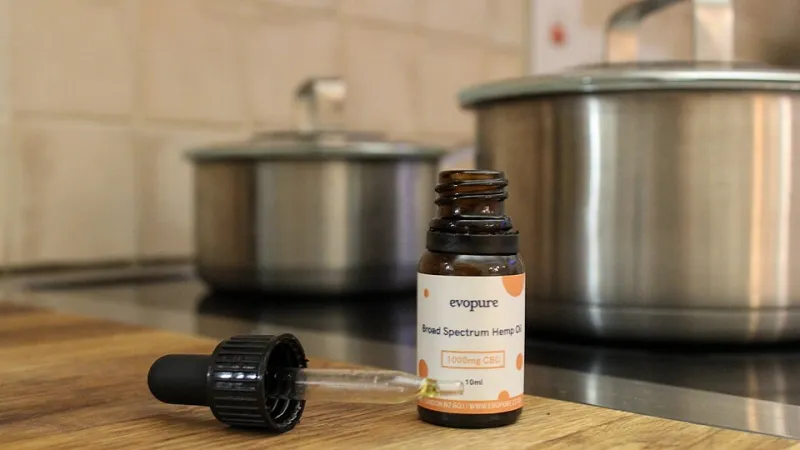
Photo: Superplural, CC BY 4.0, via Wikimedia Commons
QR codes have moved from novelty to routine on UK CBD packaging, but routine is not the same as useful. A code that opens a generic homepage adds a step without adding trust. A code that opens a batch-specific certificate, a clear usage note or a signpost to novel food information can do practical work. The distinction matters in 2026 because shoppers, retailers and enforcement bodies are more likely to test whether the pack's digital layer is accurate, accessible and consistent with the label. The guiding principle is simple: a QR code is a supplement to the pack, not a substitute for mandatory information.
Decide the job before the destination
Start with one primary job per code. Is it there to show a batch certificate, explain novel food status, prompt an age check or provide usage and storage guidance? Trying to make a single QR code do all four usually produces a landing page that is slow, dense and unclear. A hierarchy is better: one prominent scan action, one supporting page and a plain-text fallback.
The destination should be mobile-first. It should load quickly, work on a weak connection and remain readable without an app. It should also be stable. A QR code printed on thousands of packs is a long-term commitment, so the URL behind it needs an owner, a redirect plan and a review date.
What to link to
Batch certificates are a natural fit. A landing page can show the batch number, production date, cannabinoid result and contaminant results, alongside the laboratory's method and accreditation details. The page should be written for a general reader without implying that the certificate is evidence of a medicinal benefit. It should also make clear what the certificate does and does not cover.
Novel food status is another useful destination. A brand can link to its entry on the Food Standards Agency's public register or provide a plain explanation of its status. The wording should be accurate. If an application is pending, the page should say so rather than suggesting authorisation. If the product is not authorised, that should be clear and the commercial implications should have been resolved before the pack was printed.
Age-gate prompts can be included, but they are not proof of age. A QR code that asks a user to confirm they are over 18 is a signpost, not an age-assurance system. Brands should avoid collecting unnecessary personal data through the landing page and should not rely on a scan as the only age control on a pack.
Usage guidance can cover how to open a child-resistant closure, how to store the product and how to contact the brand. It should avoid medical advice and should not drift into unapproved health claims. Where dosage wording is used, it should be consistent with the product's regulatory position and reviewed by someone with the relevant expertise.
Write the on-pack call to action plainly
Short, specific calls to action perform better than vague ones. Scan for batch certificate is clearer than scan to discover, and scan for novel food information is clearer than scan to learn more. If the pack is small, a short URL beneath the code gives people a non-camera route and helps anyone who cannot scan.
The code itself needs design attention. Place it on a flat area rather than across a fold, curve or shrink-wrapped seam. Allow a generous quiet zone, use strong contrast and test it at the smallest printed size with several phones. Avoid laying a QR code over dark artwork or busy photography. On a small dropper label, an insert card may be a better home for the code than the primary label.
Keep batch-level discipline
Batch-specific QR codes are more useful than brand-level codes, but they require control. Use a redirect on the brand's own domain rather than a third-party shortener that may disappear. Keep the batch number visible on the pack so the digital record can be matched to the physical product. If a laboratory changes its report format, the landing page should be updated without breaking the printed link.
A dead QR code is worse than no QR code. It signals that the pack's digital layer is not maintained. Brands should review links before each print run, keep an archive of previous batch pages and ensure that old codes resolve to an appropriate explanation rather than an error page. If analytics are used, they should be proportionate and explained in a privacy notice.
Where QR codes sit beside labels and inserts
Mandatory labelling remains mandatory. Name, ingredients, allergens where relevant, best-before information, batch number, storage instructions, net quantity and the food business operator's details should be on the pack or in the place required by the applicable rules. A QR code can expand on that information, but it should not be the only route to it.
Insert cards are useful for oils and edibles, particularly where the label is small or the product needs more detailed guidance. They can carry the QR code, a short URL, opening instructions and contact details. The insert should be consistent with the label and should not introduce claims that are absent from the approved pack copy. Cartons can also provide space for the code and a clear call to action without cluttering the primary label.
A practical governance checklist
- Give each QR code one primary job and one clear call to action.
- Link to batch-specific, accurate pages that are dated and maintained.
- Keep mandatory information on the pack, not only behind a scan.
- Use the brand's own domain and a redirect you control.
- Test scanability in print conditions and on several phones.
- Provide a plain-text URL or contact route as a fallback.
- Review links and wording before every print run.
- Avoid medicinal claims and overstatement on landing pages.
For UK CBD brands, a QR code is most valuable when it behaves like a well-run record rather than a marketing gesture. Masa CBD Packaging treats the code as part of the pack's compliance and brand architecture: visible enough to be used, honest enough to be trusted and durable enough to survive the print run.