Pre-Press Proofing for UK CBD Packs: A Twelve-Point Compliance Audit for 2026
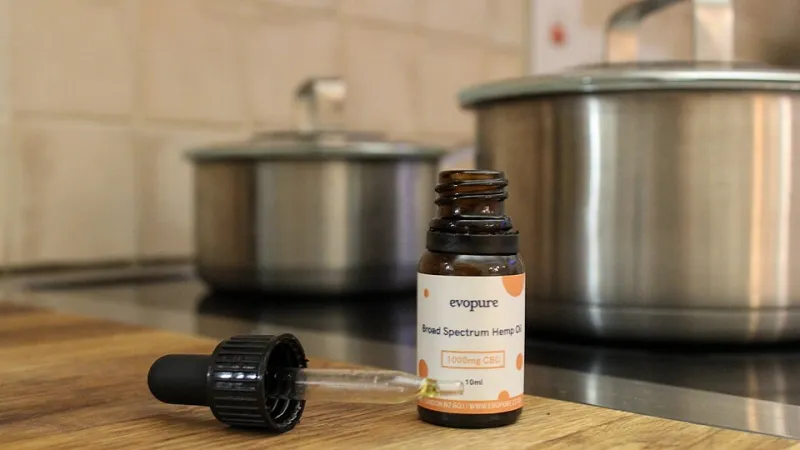
Photo: Evopure, CC BY 2.0, via Wikimedia Commons
Artwork approval is often treated as a design milestone. In practice, it is the last practical checkpoint before a packaging error becomes a warehouse problem. For UK CBD brands in 2026, the regulatory environment remains sensitive to label wording, dosage presentation and substantiation. The following twelve checks are designed for founders, brand managers and production teams who need a disciplined pre-press review. They are not a substitute for legal advice, but they will help you ask better questions before the plates are made.
1. Confirm product identity and intended use
The front and back panels should make clear what the product is and how it is positioned. A food supplement is not a medicine, and packaging should not imply otherwise. Avoid medicinal signals in product names, icons and supporting copy unless you have the evidence and authorisation to support them. Check that the product descriptor is consistent across the carton, bottle label, website and QR-linked page.
2. Review the ingredient declaration
List ingredients in the required order and use names that a customer can understand. Carrier oils, flavourings, sweeteners and any additional active ingredients should be accounted for. Allergen information must be accurate and easy to find. If the formula differs between variants, do not allow one ingredient panel to stand in for the whole range.
3. Check CBD quantity per serving and per pack
State the CBD content clearly and consistently. The figure per serving, the figure per pack and the number of servings should reconcile with the dosage instructions. Inconsistent maths is one of the most common pre-press errors, and it is difficult to correct once labels are printed. Confirm whether the declared figure refers to CBD isolate, broad-spectrum extract or full-spectrum extract.
4. Interrogate dosage instructions
Directions should be legible, specific and cautious. Avoid language that suggests treatment, cure or prevention. Where a suggested daily amount is given, ensure it is consistent with the product formulation and with any voluntary industry guidance the brand follows. If the pack says do not exceed a stated amount, that amount should be repeated accurately wherever it appears.
5. Verify batch and best-before coding
Batch numbers and best-before dates must be durable, legible and linked to traceability records. Check that the chosen coding method will survive handling, condensation and normal storage. Do not rely on a sticker placed over mandatory information unless the production process is tightly controlled. Confirm that the code area is clear of folds, seams and low-contrast backgrounds.
6. Check business identity and a UK contact address
The pack should identify the business responsible for the product and provide a UK address for correspondence. An email address alone may not be sufficient. If a fulfilment partner or distributor is named, make sure the wording does not obscure who is accountable. The same details should appear on invoices, websites and QR-linked pages.
7. Review warnings and storage instructions
Standard warnings should be present and readable. Depending on the product, this may include keeping the product out of reach of children, advising that it is not suitable for under-18s, and noting that pregnant or breastfeeding customers or those taking medication should seek advice. Storage instructions should match the stability of the product. Avoid cramming warnings into a panel so small that they fail a practical readability test.
8. Confirm Novel Foods references
CBD extracts used in food supplements are treated as novel foods in the UK. Check whether the extract you use is supported by the correct regulatory position and whether any public list entry or application reference is current. Do not imply regulatory approval unless you can substantiate it. If the pack or QR page refers to the Food Standards Agency, use careful wording and link to the correct destination.
9. Audit QR-code destination hygiene
A QR code should add useful information, not replace mandatory label content. Test the destination on several phones and browsers. Confirm that the URL is stable, mobile-friendly and free from expired certificates or broken links. The page should not introduce health claims that are absent from the pack, and it should not collect personal data without a clear privacy notice.
10. Assess child-resistant and tamper-evident formats
Where the packaging format calls for child-resistant closures or tamper-evident seals, test them in the finished pack rather than on a component sample alone. Confirm that the closure remains usable for the expected life of the product and that the tamper evidence is obvious to a customer. These features support safety, but they do not compensate for weak label copy.
11. Screen every claim on pack and online
Review claims with the same discipline as the ingredients panel. Avoid implying that the product treats, prevents or relieves a condition. Be cautious with words such as clinical, therapeutic, prescribed or pharmacy grade. If a claim depends on a study, keep the substantiation on file and make sure the pack does not overstate what the study shows. The Advertising Standards Authority and local Trading Standards services can take an interest in both printed and digital claims.
12. Run production and enforcement checks
Before signing off, check colour contrast, minimum type sizes, barcode placement, variant coding and print durability. Ask for a physical proof on the intended substrate. Confirm that mandatory information will not be obscured by a fold, curve or closure. Keep a signed artwork version and a record of approvals. If a trading standards officer or retailer asks questions later, a clear version trail is invaluable.
Final pre-flight sign-off
A useful final step is a short compliance meeting with one owner for the label, one for the artwork and one for the production run. Each should sign off against the twelve checks above. The aim is not to make packaging look bureaucratic. It is to ensure that the box, bottle and QR page tell the same accurate story before the print run begins.