Safety Closures, Strong Identity: Specifying Child-Resistant CBD Packs in 2026
Child-resistant packaging is often treated as a component to be chosen at the end of a CBD project. In practice, it shapes the bottle, the carton, the label, the opening experience and the evidence file. For UK brands selling oils, capsules and edible formats in 2026, the sensible starting point is a documented view of the product's risk profile and the regulatory route it sits on, followed by a pack specification that can be tested rather than assumed. Child-resistant packaging is not child-proof packaging; it is a performance claim that should be supported by appropriate test evidence for the pack format and closure system.
Begin with format and risk, not a closure catalogue
CBD oils may be positioned as food supplements or foods depending on composition and claims. Capsules are typically presented in the same broad space, while edible formats sit more clearly within food. Medicinal claims move a product into a different regulatory territory, and that change should be reflected in packaging decisions. General product safety duties, food contact material requirements and, where relevant, classification and labelling obligations all sit alongside novel food requirements.
In some contexts a child-resistant system may be a legal requirement. In others it may be a retailer expectation, an insurer's condition or a voluntary choice made to reduce foreseeable risk. Brands should record why a particular system was selected, who it is intended to protect and how the pack will be used in the home. That rationale is valuable when speaking to suppliers, auditors and retail buyers, and it helps prevent a late substitution of closure or bottle that has not been assessed as a system.
Match the closure system to the pack
Reclosable containers commonly use push-down-and-turn, squeeze-and-turn or two-piece closure mechanisms. These should be assessed against the relevant child-resistant packaging standard for reclosable packs, such as ISO 8317 or its British and European equivalent, BS EN ISO 8317. Non-reclosable formats may need a different standard, such as BS EN 862. The standard matters, but so does the specific combination of bottle, neck finish, liner and closure.
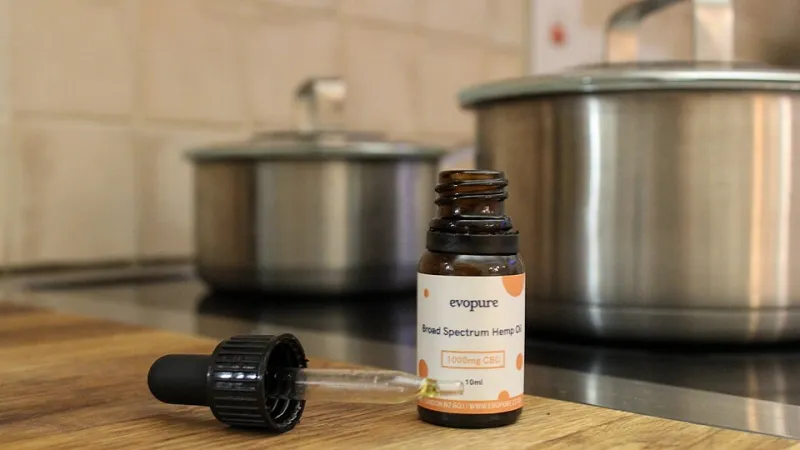
Dropper bottles present a particular challenge because the closure must remain child-resistant while preserving seal integrity, tamper evidence and dose accuracy. Capsule tubs can become difficult for older users if the diameter is large or the grip area is small. Edible packs in pouches or jars need a mechanism that continues to work after repeated opening and closing. A closure that passes a standard on one bottle may not perform identically on another, so brands should ask for test reports that reflect the proposed production pack, not a generic certificate for a component in isolation.
Usability is part of safety
A child-resistant pack that adults cannot open reliably is not a good outcome. Older users, people with arthritis or reduced grip strength and anyone opening a pack in a hurry may struggle with small closures, stiff mechanisms or unclear instructions. If the pack is too difficult, users may decant the product into an unlabelled container, which undermines the purpose of the packaging.
Usability should therefore be considered alongside the child test. Opening cues should be clear without being cluttered. Instructions should be legible and placed where they can be seen before the pack is opened. Brands should test with a representative group of intended adult users, not only with colleagues in an office. The aim is a pack that rewards the correct action and resists the incorrect one, without requiring tools or excessive force.
Branding within the constraints
Child-resistant closures reduce printable area and can interrupt the clean lines that brands prefer. The answer is not to hide the mechanism but to design with it. Colour, embossing, orientation marks and a consistent opening cue can make the closure feel like part of the identity rather than an afterthought. Cartons and side panels can carry brand storytelling and statutory information that will not fit on a small dropper label.
Several boundaries are worth respecting. Imagery that appeals to children, such as sweets, cartoons or playful confectionery mimicry, is inappropriate for edible CBD formats. Mandatory information should remain legible and should not be placed only on a closure that may be removed and discarded. Opening instructions should not be obscured by promotional artwork. A QR code can support additional information, but it should not become the only route to essential safety or usage guidance and should never carry medicinal claims.
Recyclability and material choices
Closure materials affect both CR performance and recycling. Polypropylene and high-density polyethylene are common, but mixed-material packs can be harder to recycle through household collections. Brands should check the current guidance from their local authority waste partner and use on-pack recycling information that reflects real collection practice rather than an aspirational claim.
The tension is real: a more recyclable material may behave differently under CR testing, and recycled content may affect consistency. Recyclability should not be purchased with reduced CR performance. Any change to resin, liner, closure geometry or bottle weight should trigger a review of the test evidence and, where necessary, retesting.
A specification checklist for 2026
- Confirm the product format, dose form and regulatory route before selecting a closure.
- Ask for test evidence against the relevant standard for the complete pack system.
- Check adult usability with representative users, including people with reduced grip strength.
- Confirm tamper evidence, seal integrity and dose accuracy where relevant.
- Keep mandatory information legible and off removable closures.
- Avoid child-appealing graphics and confectionery mimicry on edible formats.
- Verify recycling claims against current UK collection reality.
- Put change control in place for closures, bottles, liners and label substrates.
For UK CBD brands, child-resistant packaging is a safety system and a brand surface at the same time. Masa CBD Packaging's starting point is to treat it as a specification to be evidenced, not a box to be ticked at the end of the project.